
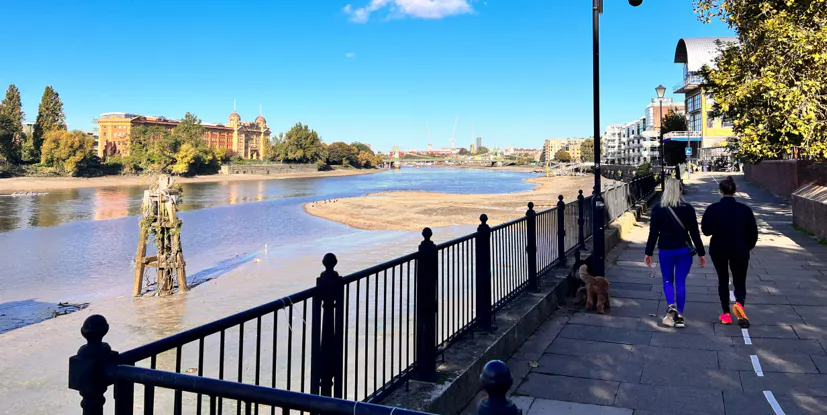
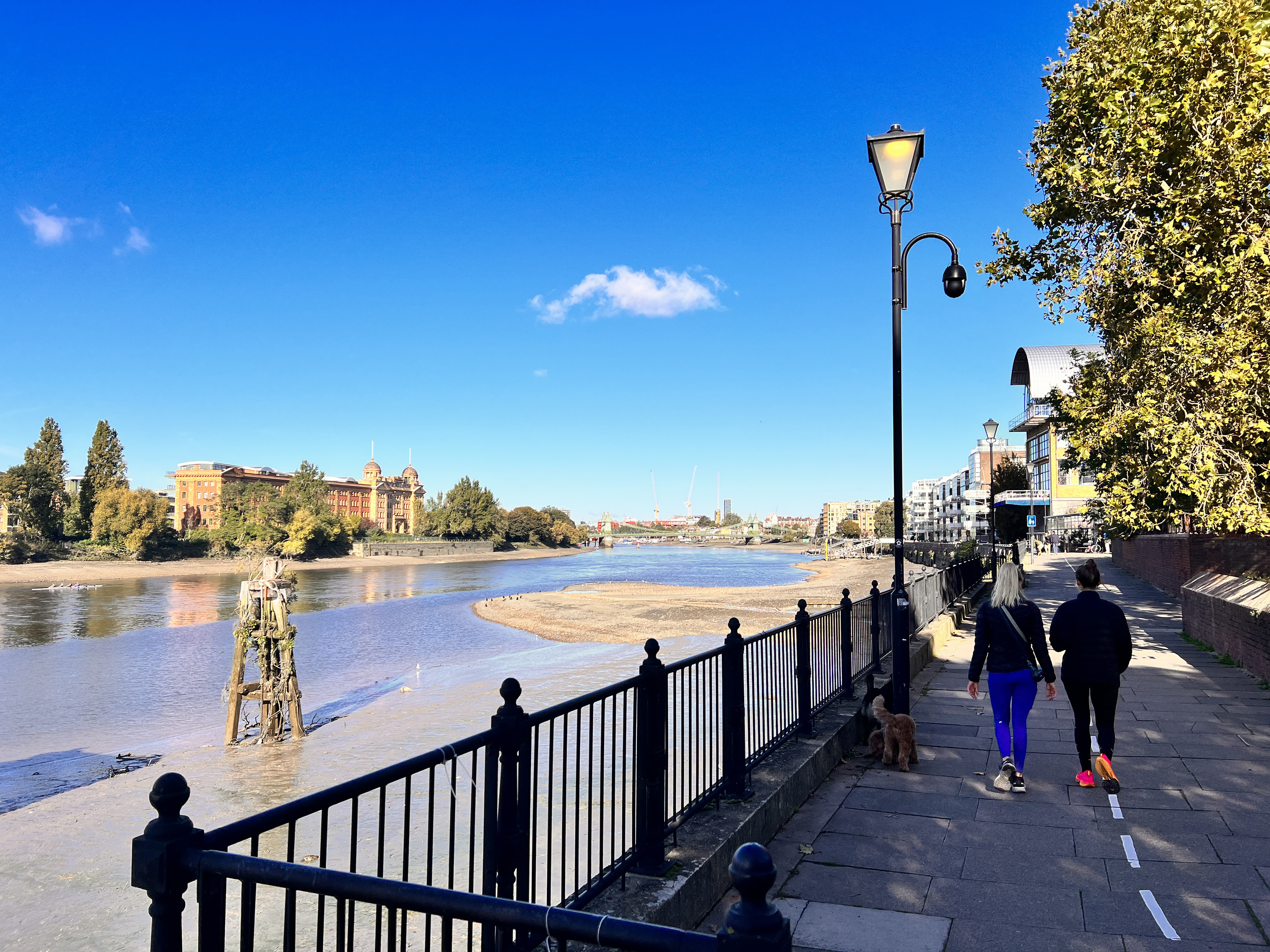
River Thames
Share River Thames on Facebook
Share River Thames on X (formerly Twitter)
Share River Thames on Linkedin
Email River Thames link
Consultation has concluded
This chapter presents draft River Thames policies for the borough, including policies on promoting the protection and enhancement of river and canal related biodiversity and guiding new development on the riverfront.
To read and make comments on this chapter please click on the links below or take the survey at the bottom of the page:
- Chapter - River Thames (Interactive online version)
- Chapter - River Thames (pdf)
What are the key River Thames challenges?
- Wildlife habitat -The River Thames is an important wildlife habitat and corridor and is a designated Nature Conservation Area of Metropolitan Importance. It is therefore important for the biodiverse nature of the Thames and its foreshore to be protected and enhanced.
- Water based activities - The River Thames has a significant potential for water-based activities that can increase opportunities for participation in sport and recreation in the borough as well as for a transport use
- Local economy and cultural identity - The riverfront plays a vital role in supporting the borough’s local economy and cultural identity. The many pubs, restaurants and venues along the riverfront contribute to both daytime and evening activity.
- Vacant and under-used riverside sites - A balance needs to be reached between the many functions of the river. In Hammersmith and Fulham there is a particular issue with vacant and under-used safeguarded wharves and the development of the land adjoining these sites.
How can the Local Plan help?
- Protection of habitats and wildlife - Seeking the protection and enhancement of river and canal related biodiversity, improvements to the tidal foreshore, safeguarding and enhancing where necessary flood defences.
- Water-based activities - Protect existing river-dependent and river related uses and promote new uses where they would bring about a public benefit.
- Riverfront access - Seek accessible and inclusive public access to the riverside, including through-site links when riparian development takes place and the provision and enhancement of the Thames Path National Trail
- Riverside development - The Local Plan will encourage development of vacant sites and will encourage suitable waterside uses as part of mixed-use schemes, as well as helping improve and raise the riverside flood defences.
If you require any of the consultation materials in an alternative format or language, please email localplan@lbhf.gov.uk
-
2 responsesConsultation has concluded
 Share River Thames on Facebook Share River Thames on X (formerly Twitter) Share River Thames on Linkedin Email River Thames link

-
Consultation contact

Email localplan@lbhf.gov.uk